What if your mornings began on brick sidewalks with a latte in hand, and your weekends rolled into bike rides beneath live oaks and dinners at chef-owned restaurants? If you’re imagining a slower, well-connected life north of Lake Pontchartrain, Covington might be on your shortlist. You want charm without sacrificing convenience, outdoor space without losing a sense of community, and a thoughtful plan for Gulf Coast weather. This guide walks you through how life actually feels in Covington, what neighborhoods offer, how people get around, and what to consider as you explore a move. Let’s dive in.
Covington at a glance
Covington anchors Louisiana’s Northshore as the parish seat of St. Tammany Parish. You’ll find a walkable historic core near the Bogue Falaya River, surrounded by established neighborhoods, newer subdivisions, and acreage properties. The result is a balanced small-city feel: lively downtown energy, access to nature, and everyday convenience across a wider suburban landscape.
- Downtown is compact, brick-lined, and filled with galleries, boutiques, and cafés.
- Residential life ranges from historic cottages to modern homes on larger lots and rural acreage.
- Community rhythms center on local food, arts, the riverfront, and seasonal festivals.
If you appreciate independent businesses and cultural events but still want privacy and space, Covington blends both worlds.
Daily life in Covington
Your weekdays likely revolve around downtown errands, neighborhood school and activity runs, and drives to other Northshore towns. Downtown is walkable for coffee, lunch, and appointments. For most other trips, you’ll use your car. Evenings often mean casual dinners, live music in intimate venues, or a sunset walk along tree-lined streets.
Weekends are intentionally slow. Farmers’ markets, gallery browsing, river time, or long rides on the Tammany Trace shape the schedule. In late summer and fall, hurricane awareness sits in the background, and many households plan for supplies, shutters, and generators.
Neighborhoods and homes
Covington offers a range of settings, each with its own pace and perks. As you tour, focus on how you like to live day to day.
Historic downtown living
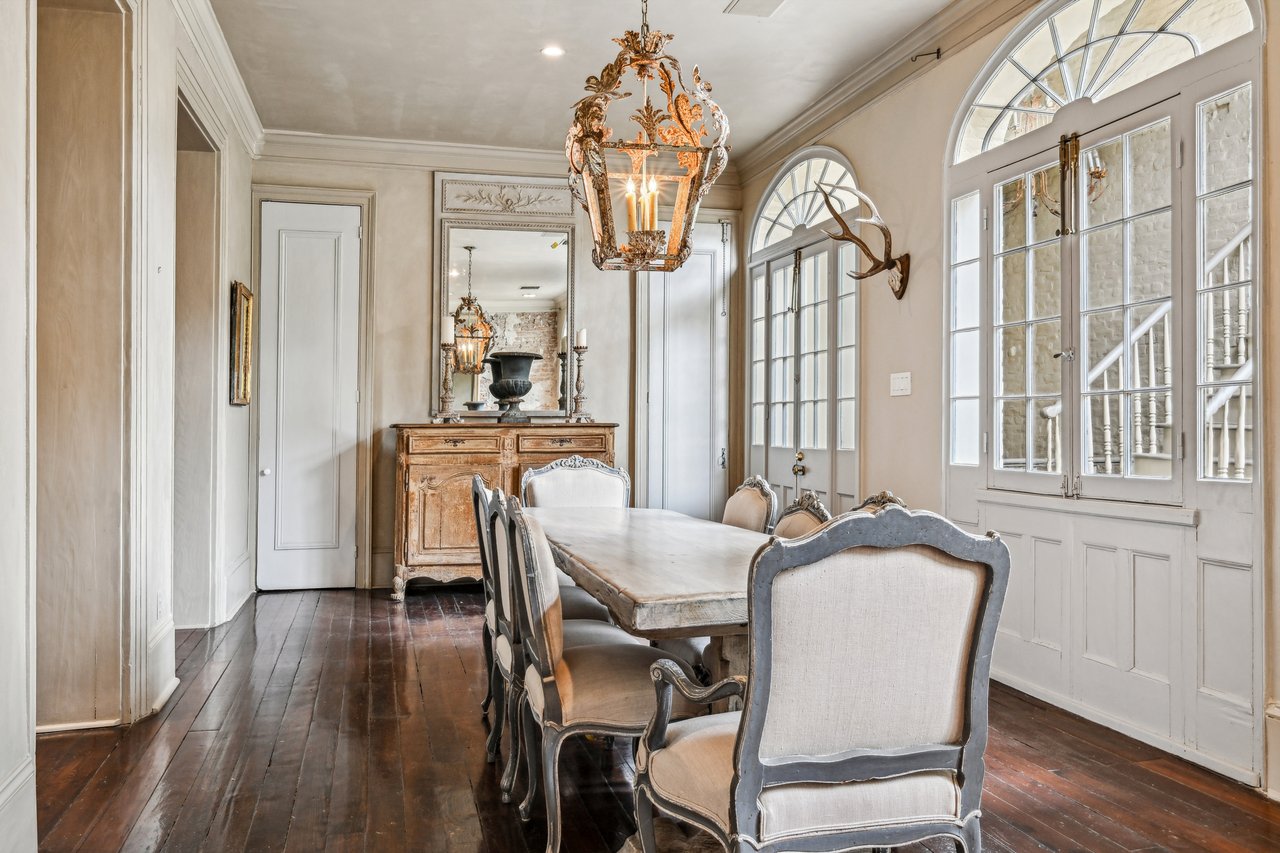
If you crave character and walkability, the historic district delivers cottages, bungalows, and some Victorian-era homes on smaller lots. You can stroll to restaurants, markets, and community events. Expect older systems and maintenance considerations if you’re buying a historic property. Many owners approach updates with care to preserve original details.
River-adjacent and Old Towne pockets
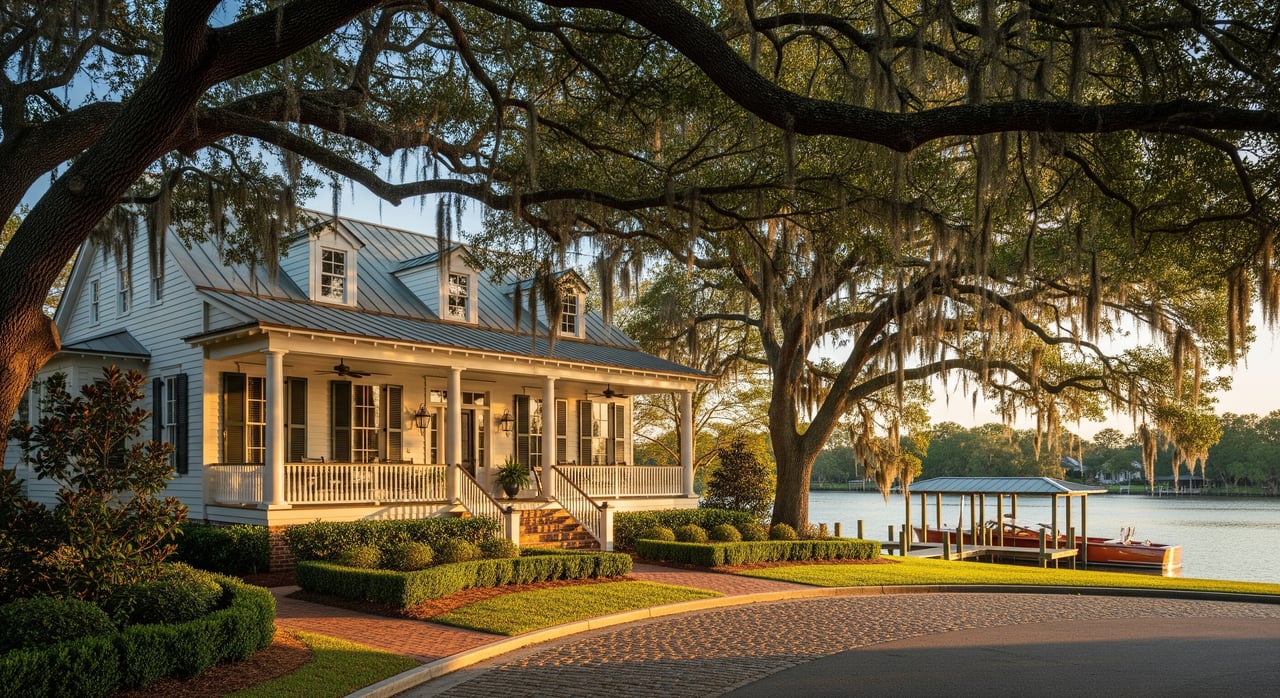
Mature trees, classic streetscapes, and proximity to riverfront trails define these areas. You’ll see renovated homes alongside established properties. The feel is relaxed and connected to the downtown social calendar.
Suburban subdivisions
On the town’s edges, you’ll find mid- to late-20th-century neighborhoods and new construction with larger lots, modern floor plans, and HOA amenities. These areas appeal if you want a newer home, more square footage, and a neighborhood structure with covenants and community spaces.
Acreage and semi-rural living
Just outside the core, acreage properties offer privacy and room to spread out. These parcels suit buyers who value space for gardens, workshops, boat storage, or equestrian needs. You’ll trade shorter drives to downtown for added privacy and a stronger connection to the land.
New construction and custom builds
As demand from Northshore and Greater New Orleans buyers grows, more new builds appear on the periphery. Custom options give you control over finishes, efficient systems, and hurricane-conscious features.
Multifamily options
Most inventory in Covington is single-family. Condos and multifamily options exist but are less common, so timing and availability matter if that’s your preference.
Outdoor lifestyle and events
Outdoor life is a major draw. Rivers and nearby Lake Pontchartrain support boating and fishing. The Tammany Trace, a paved rails-to-trails path that begins or ends in Covington depending on your direction, is a beloved community asset for biking, jogging, and weekend events. Within a regional drive, you can access state parks, golf, equestrian activities, and community recreation centers.
Culturally, Covington leans into the arts, antiques, and food. Downtown hosts regular markets and seasonal festivals. Nightlife is low-key, with a focus on restaurants, live music, and community gatherings rather than big-city crowds.
Getting around and commutes
Driving is the main way you’ll get around. Major routes tie Covington to other Northshore towns and the New Orleans metro. Many residents commute regionally for work. Travel time depends on where you’re headed, the crossing you choose over Lake Pontchartrain, and the time of day.
Public transit is limited compared with larger metros. Some regional commuter services and park-and-ride options may exist, but you’ll want to confirm schedules as they can change. Ride-share services operate in the region with variable response times outside core areas, especially late at night.
Tip: Test-drive your commute during peak hours before you buy. Map out alternate routes and crossings so you know your options.
Schools and healthcare
Public schools are part of St. Tammany Parish Public Schools. Families often compare public programs with private and parochial options in Covington and nearby Northshore communities. Because school quality can vary by campus and program, many parents review district resources, visit campuses, and compare independent rating sites as part of their decision process.
Healthcare access is strong for a town of this size. Covington is served by parish hospital networks, clinics, urgent care, dental, and primary care. For specialized or major trauma care, residents sometimes travel to larger hospitals elsewhere in the New Orleans metro. Emergency services operate through municipal and parish agencies, with clear emphasis on hurricane preparedness and communication during storm season.
Weather and preparedness
Covington’s climate is humid subtropical, with warm summers and a defined hurricane season. Owning a home here often includes a resilience mindset. Buyers pay close attention to flood maps and elevation, roofing systems, and features like impact windows, shutters, or generators. In some areas, lenders may require flood insurance, and elevated construction is common.
During due diligence, plan for inspections that assess roof age and condition, drainage patterns, and any past mitigation work. Many buyers also get insurance quotes early to understand total carrying costs.
How Covington compares
If you are weighing small Southern towns, Covington shares familiar qualities with historic, culture-forward places. Here, you get a preserved downtown, strong local identity, independent businesses, and easy access to a larger metro for jobs and entertainment. Unique to Covington is the Northshore’s river-and-lake lifestyle and the Tammany Trace at your doorstep. The tradeoff is planning for coastal weather and, for some, longer commutes to specialized employers.
Smart homebuying steps
A clear plan will help you focus on lifestyle first, then refine by neighborhood and home type.
- Define your lifestyle anchors. Decide if walkability, acreage, water access, or a newer home is your top priority.
- Test your routine. Drive likely school, work, and errand routes at peak times. Note parking patterns downtown and HOA amenities in subdivisions.
- Check flood and elevation data. Review FEMA flood maps, ask for elevation certificates, and understand how those details affect insurance and financing.
- Plan for weather resilience. During inspections, review roof condition, window protection, drainage, and generator readiness.
- Review HOA and maintenance. For new subdivisions, read covenants and budgets. For older and historic homes, price in system updates and routine care.
- Compare school options. Explore district information, visit campuses, and review third-party rating sites to align with your goals.
- Price your total carry. Request quotes for homeowners, flood, and wind coverage where applicable. Consider generator and shutter investments over time.
Market mindset and resale
Location near the historic core, proximity to trails and riverfront, and access to daily conveniences tend to support long-term appeal. Newer builds and renovated historic homes each attract distinct buyer pools. If you anticipate selling in the future, consider how your home’s setting, elevation, and functional floor plan align with typical Northshore buyer preferences.
Work with a Northshore expert
Exploring Covington is equal parts lifestyle and logistics. When you weigh neighborhood character against commute realities, and acreage dreams against maintenance, a local guide makes all the difference. Our team pairs deep, on-the-ground knowledge with attentive, senior-level service to help you evaluate homes through both a design and durability lens.
If Covington is calling, let’s tailor a plan for your move, tour neighborhoods that fit your life, and refine the details that matter most. Connect with Jennifer Rice to start a thoughtful Northshore search.
FAQs
Is Covington walkable for daily errands?
- Downtown is the most walkable area, with cafés, shops, and services clustered near the historic core. Most other errands and commutes are car-based.
What should I know about commuting to New Orleans?
- Many residents commute across Lake Pontchartrain. Travel time varies by crossing and time of day, so test-drive your route during peak hours.
How common are flood zones in Covington?
- Parts of St. Tammany Parish are in FEMA flood zones. Review maps, request elevation certificates, and budget for flood insurance where required by your lender.
What types of homes are most available?
- Single-family homes dominate the market. You’ll find historic cottages downtown, newer subdivision homes, and acreage properties on the edges, with limited condo options.
How are the schools in Covington?
- Public schools are within the St. Tammany Parish district, with additional private and parochial choices nearby. Families often visit campuses and compare district resources and independent rating sites.
What does hurricane preparedness involve for homeowners?
- Common steps include roof assessments, shutters or impact windows, generators, and drainage improvements. Many buyers explore insurance coverage early to understand total costs.