
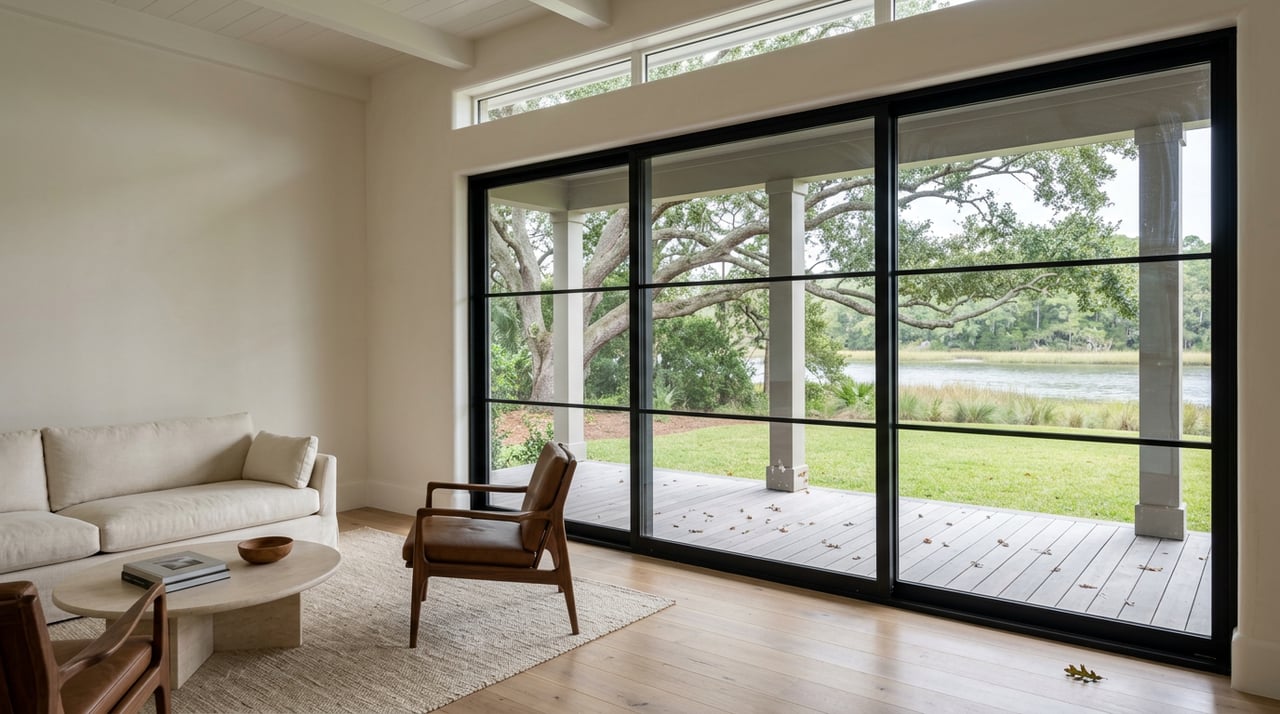
Imagine waking up to quiet marsh light, egrets gliding overhead, and miles of trail or open water minutes from your door. If you are drawn to a slower pace with serious access to the outdoors, Lacombe on Lake Pontchartrain puts nature at the center of daily life. In this guide, you will learn what living here really feels like, from refuge trails and kayak launches to home styles and smart buyer checks. Let’s dive in.
Lacombe, nature first
Lacombe is a semi-rural Northshore community framed by bayous, pine savannah, and the north shore of Lake Pontchartrain. With a population of about 8,657, it remains low density and outdoors oriented, rather than urban or commercialized. The setting appeals to buyers who want privacy, water access, and easy day trips to nearby towns. You are close to Mandeville and Covington while enjoying a quieter, more natural backdrop.
Big Branch Marsh NWR at your doorstep
The Big Branch Marsh National Wildlife Refuge is the signature local asset. This protected landscape totals more than 18,000 acres and spans brackish marsh, cypress-tupelo forests, bayous, and pine savannah. It shapes the lifestyle here in a real way, giving you everyday access to wildlife and wide-open horizons.
- Trails and access: Boy Scout Road offers over 5 miles of maintained walking trails with boardwalk overlooks and quiet side spurs. Additional primitive paths near Paquet Road and Sapsucker Road invite short, unhurried walks.
- Boat launches: The refuge lists two public launches that residents use for kayaks, canoes, and small boats. Lake Road supports motorized access, and Sapsucker Road is non-motorized.
- Birdlife: The refuge bird list documents 261 species, including brown pelicans, wintering waterfowl, and regular sightings of bald eagles. Birders and photographers will find seasonal variety from spring passerine migration to winter duck concentrations.
Before you plan a first visit, check the Bayou Lacombe Visitor Center page for current hours, trail updates, and maps on the refuge’s official site. You can learn more about visiting on the refuge’s Visit Us page and review the detailed species list and launch locations in the refuge’s published bird list.
- Learn more: Visit Big Branch Marsh NWR
- Species and access map: Big Branch Marsh NWR Bird List (PDF)
Life on Lake Pontchartrain
Lake Pontchartrain is a broad estuary, not a typical freshwater lake, and it anchors local recreation and fisheries. Boating, marsh-edge paddling, and inshore fishing are part of the Northshore rhythm. The EPA’s Lake Pontchartrain Basin Restoration Program coordinates restoration projects and ongoing water-quality monitoring across the basin, which helps inform safe recreation and stewardship. An updated Comprehensive Conservation and Management Plan is in progress.
- Common inshore catches: anglers in the lake and adjacent marshes regularly target speckled trout, redfish, black drum, flounder, and blue crabs. Kayak anglers often use refuge-accessible bayous for calm-water days.
Explore lake stewardship and monitoring details through the EPA’s program overview, and see species referenced in regional planning materials from the Louisiana Department of Wildlife and Fisheries.
- Basin program: Lake Pontchartrain Basin Restoration Program
- Species context: LDWF Master Plan (PDF)
Bike, hike, and beach in easy reach
The Tammany Trace, a roughly 31-mile rail-trail, links Covington, Abita Springs, Mandeville, Lacombe, and Slidell. It is a smooth, low-traffic route for cycling or jogging and a practical way to connect small-town trailheads for an easy morning ride. Many residents pair a Trace outing with a coffee stop in Mandeville or a picnic near the lake.
Just down the road, Fontainebleau State Park offers a swimming beach, pier, hiking trails, and options for cabin stays or camping. On a sunny weekend, you can bike a short Trace section, dip your toes at the park beach, and be home for sunset over the marsh.
- Trail overview: Tammany Trace
- Park amenities: Fontainebleau State Park
Homes and property types you will find
Lacombe’s housing reflects its coastal setting and mix of inland acreage:
- Waterfront camps and cottages: Canal-front and lakeside retreats, often modest in size, with simple docks, ramps, or slips. These make effortless weekend escapes and can be tailored into polished second homes.
- Elevated coastal homes: Newer builds typically use raised or engineered foundations. Many include covered boat lifts, broad porches, and elevated decks that capture breezes and views.
- Suburban lots and acreage: Conventional subdivisions sit alongside larger wooded parcels. Buyers often trade a quick drive to services for privacy, storage buildings, and room to spread out.
Public listing-site snapshots have recently shown a lower to mid six-figure median for Lacombe, with wide variation by water frontage, elevation, and lot size. Waterfront and boat-ready properties command premiums, while inland parcels offer scale and seclusion. For up-to-date pricing and absorption trends, request a current MLS pull tailored to your criteria.
Smart buyer checklist for Lacombe
Waterfront and near-marsh properties reward due diligence. Use this quick checklist to shop with confidence:
- Flood maps and elevations. Confirm the FEMA flood zone, base flood elevation, and ask for any elevation certificate. Flood insurance and local code requirements often depend on these details. For technical context on flood-resilient construction, see federal building-science guidance.
- Shoreline and in-water permits. Docks, lifts, or shoreline alterations typically require parish and state permits, and sometimes federal review. Verify permit history and setbacks before you buy.
- Utilities and waste systems. Some rural and waterfront parcels rely on private wells and septic systems. Ask for recent inspections, maintenance records, and permits.
- Insurance and wind exposure. Price flood and wind coverage early, and compare quotes for elevated versus slab-on-grade homes.
- Access and services. Plan on short drives to hospitals, major shopping, and many professional services in Mandeville or Covington. Track local infrastructure, such as the Lacombe branch library, as signs of community investment.
Helpful references:
- Flood-resilient building guidance: WBDG Resource
- Parish maps and contacts: St. Tammany property and permitting resources
- Library news: St. Tammany Parish Library, Lacombe branch
A day in the life
Start with coffee on the porch as light moves across the marsh. Walk the Boy Scout Road trail for birdsong and boardwalk views, then launch a kayak from the Sapsucker Road access for a quiet paddle among cordgrass and herons. After lunch, bike a stretch of the Trace toward Mandeville and cap the day with a golden-hour stroll at Fontainebleau’s pier.
Is Lacombe the right fit?
Choose Lacombe if you want water, wildlife, and woods to be part of everyday living, with the convenience of nearby Northshore towns when you need them. Whether your vision is an elevated waterfront home with a boat lift, a polished camp for weekends, or acreage buffered by longleaf pines, the options here are diverse and grounded in place. If you would like a tailored search, a fresh MLS snapshot, or guidance on flood, permits, and insurance, we are ready to help.
Curious what your current Northshore property would command in today’s market, or ready to tour Lacombe? Request a complimentary home valuation or start a conversation with Jennifer Rice.
FAQs
What is Lacombe like for nature-focused buyers?
- Lacombe sits beside Big Branch Marsh NWR and Lake Pontchartrain, offering trails, kayak launches, and birding close to home, with nearby towns for services.
Where can I access Big Branch Marsh NWR in Lacombe?
- Start at the Bayou Lacombe Visitor Center and the Boy Scout Road trail area, and use the Lake Road or Sapsucker Road public launches listed on the refuge’s site. See the Visit Us page for current details.
Can I kayak into the marsh from Lacombe?
- Yes. The refuge identifies non-motorized and motorized public launches that paddlers use to reach bayous and marsh channels. Review permitted areas and seasonal info in the refuge resources, including the bird list map.
How does Lake Pontchartrain’s health affect recreation?
- The lake is actively monitored and restored through the EPA’s Lake Pontchartrain Basin Restoration Program, which informs public guidance for recreation. Learn more from the program overview.
What home types are common in Lacombe?
- You will see waterfront camps and cottages, elevated coastal homes with boat-centric features, and inland suburban lots or acreage with room for outbuildings.
What should I verify before buying a waterfront property?
- Check FEMA flood zone and any elevation certificate, insurance costs, utility type and septic status, and permit history for docks or shoreline work. Parish mapping links can help with parcel-level details, including property and permitting resources.
Where can I bike or find a beach nearby?
- Ride the Tammany Trace between connected Northshore towns and visit Fontainebleau State Park for a swimming beach, pier, and trails. See Tammany Trace and Fontainebleau State Park for overviews.