Thinking about a bigger home in Covington? The move itself is only part of the decision. Just as important is choosing a neighborhood that fits the way you want to live day to day. If you are upsizing for more space, more privacy, easier access to parks, or a more walkable lifestyle, Covington gives you several distinct options. The key is knowing how each area differs before you start touring homes. Let’s dive in.
Why Covington Feels So Different Block to Block
Covington is not a one-note market. The city has a compact historic core with older streets, mature tree canopy, and historic homes, but it also has lower-density areas on the edges with larger lots and a more suburban feel.
That split matters when you are upsizing. In many towns, moving up simply means buying a bigger house. In Covington, it often means choosing between walkability, lot size, privacy, and neighborhood structure.
Start With Your Upsizing Priorities
Before you focus on a specific pocket of Covington, get clear on what “more space” means to you. For one buyer, it may mean a larger yard. For another, it may mean an extra bedroom, easier parking, or a quieter setting near trails and parks.
A few questions can help you narrow your search:
- Do you want to walk to restaurants, events, and shops?
- Do you want a larger lot for outdoor living, pets, or a pool?
- Do you prefer an older home with character or a newer subdivision feel?
- Are you comfortable with HOA or overlay rules?
- How important is quick access to parks, trails, or riverfront spaces?
- Do you want to avoid the upkeep or review process that can come with historic properties?
Once you answer those questions, the right Covington neighborhood type usually becomes much easier to spot.
Historic Downtown Covington
Best for Walkability and Character
If your ideal move-up lifestyle includes coffee shops, restaurants, art, public events, and older-home charm, downtown Covington should be your first stop. The city describes this area as a historic, pedestrian-oriented core, and the HDC-MUOD covers about 45 blocks around that central area.
This part of Covington stands apart because it is more compact than the rest of the city. In the Division of St. John, the overlay allows very small lot dimensions for mixed-use and residential uses, and commercial uses do not have off-street parking minimums. In practical terms, that supports a more walkable, older-town pattern rather than yard-heavy suburban living.
What the Lifestyle Feels Like
Downtown Covington offers more than housing. City sources highlight boutiques, galleries, restaurants, the Trailhead, the farmers market, Columbia Street block parties, the Tammany Trace trailhead, and other public events that help define the area.
If you want to step outside and feel connected to local activity, this pocket has the strongest fit. It is especially appealing if your version of upsizing is more about lifestyle access than maximizing lot size.
What to Expect From the Homes
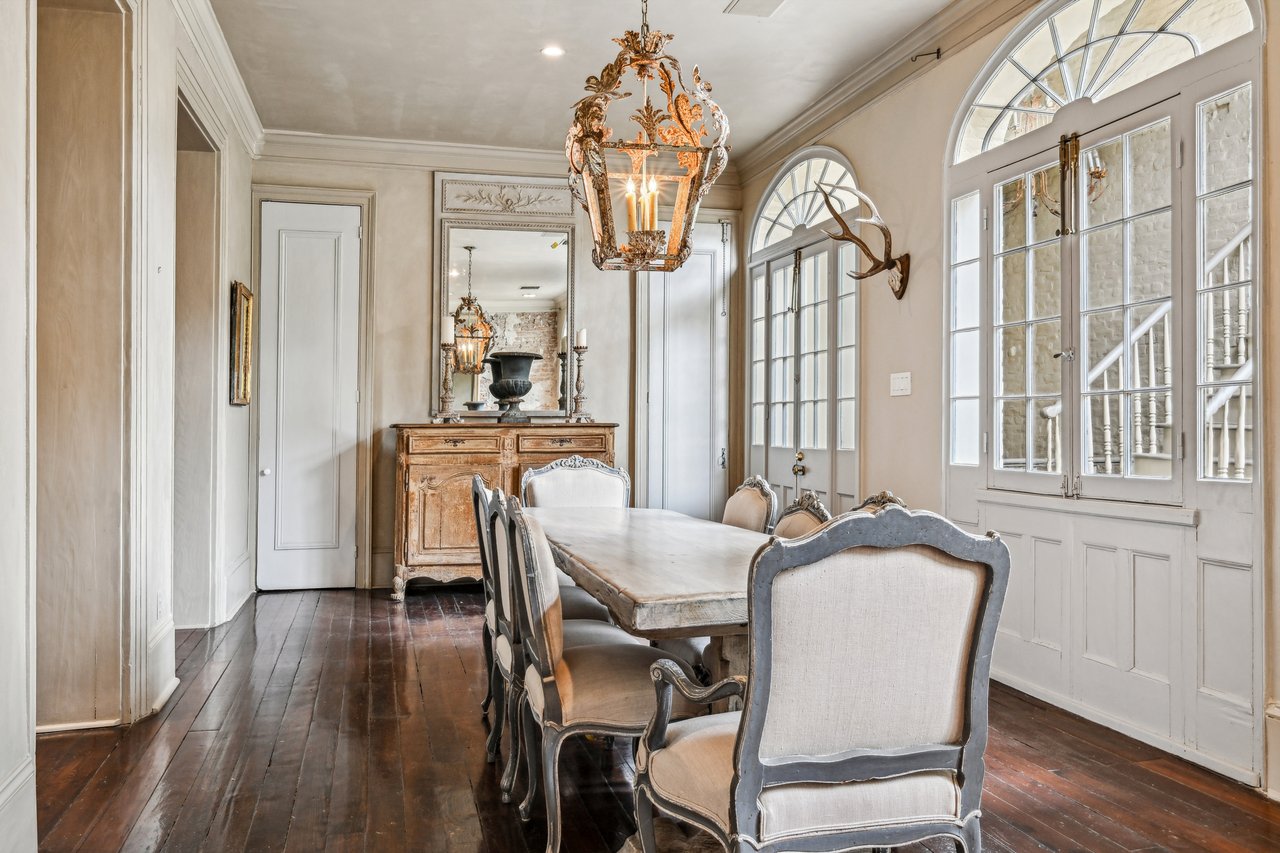
The city’s preservation guidelines point to several architectural styles in the historic district, including Victorian, Acadian, Creole Cottage, Colonial Revival, American Foursquare, and Craftsman/Bungalow forms. That gives the area a strong sense of identity and visual variety.
If you love distinctive homes and mature streetscapes, this can be a major draw. It is also important to know that the Historic District Commission reviews exterior changes, demolition, and relocation within the district.
Tradeoffs to Consider
Downtown living comes with tradeoffs. Lots are generally smaller, parking can be tighter, and renovation plans may require review.
For many buyers, that is worth it for the charm and convenience. Still, if your priority is a big backyard or a more private setting, you may want to look beyond the historic core.
Outer Single-Family Areas
Best for Larger Lots and Privacy
If upsizing means more elbow room, outer single-family districts deserve close attention. Covington’s zoning ordinance gives a useful side-by-side comparison of lot sizes that can help you understand how much space different areas are designed to offer.
The city’s official standards require:
- RLL: 19,600 square feet per single-family dwelling
- RS-2: 10,500 square feet per single-family dwelling
- RS-1: 8,400 square feet per single-family dwelling
- RSL: 2,700 square feet per single-family dwelling
These numbers are one of the clearest ways to compare yard potential and neighborhood density.
How These Areas Differ From Downtown
The zoning map places much of the large-lot fabric toward the fringe of the city rather than in the downtown grid. The farther you move from the historic core, the more Covington tends to shift toward detached single-family living and away from the compact downtown pattern.
That often translates to more space between homes, larger yards, and a quieter street feel. If you are upsizing for outdoor living, future entertaining, or more privacy, these areas are often a better match.
Tradeoffs to Consider
The biggest tradeoff is convenience by foot. In most outer pockets, you should expect more driving and less day-to-day walkability than you would find near downtown.
You should also take time to verify practical details early in the process. In these areas, checking drainage, flood zone, and any subdivision rules becomes especially important.
Planned-Development Neighborhoods
Best for a More Structured Feel
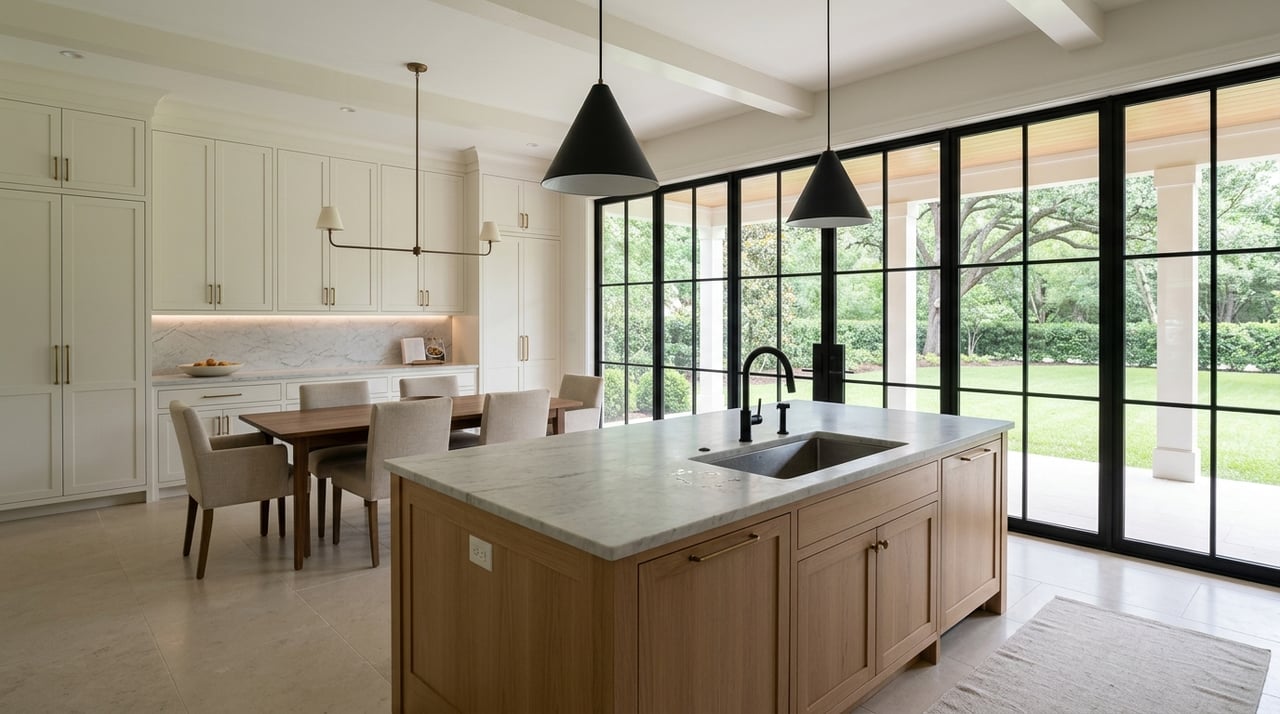
Some buyers want more space but also want a neighborhood with a more organized, newer feel. In Covington, planned-development pockets can offer that middle ground.
The city’s official overlay map identifies several planned-development areas, including The Savannahs, Privette Tract, Covington Commons, Spell, Square 1907, Barkley Parc, Reagan Crossing, Mele Property, and The Groves. Because these are planned unit, planned residential, or combined-use overlays, they are reasonable starting points if you want a more controlled suburban environment.
Why These Areas Appeal to Upsizers
Planned-development neighborhoods can be a strong fit if you want predictability in layout, a more consistent streetscape, or a newer subdivision format. While the exact architectural mix can vary by project, these areas are generally less about one signature historic style and more about scale, function, and neighborhood structure.
For many move-up buyers, that feels easier to manage. You may get more of the space you want without taking on the quirks that can come with an older property.
What to Verify
Because these overlays can have their own rules and design frameworks, it is smart to confirm the details before you make an offer. Pay close attention to lot size, neighborhood regulations, and any HOA or overlay requirements that may affect how you use the property.
Recreation-Adjacent Pockets
Best for Parks and Outdoor Access
If your dream move includes more room to spread out without losing access to green space, recreation-adjacent areas are worth a close look. Covington’s parks and recreation system is a major part of the city’s appeal.
City parks and recreation spaces include Blue Swamp Creek Nature Trail at the Covington Rec Complex off Ronald Reagan Highway, Bogue Chitto Memorial Park, Bogue Falaya Park, Columbia Street Landing, Menetre Boat Launch, the Covington Trailhead, and the St. Tammany Trace, which begins at the Trailhead.
What This Lifestyle Offers
These areas can be especially attractive if you want nearby access to hiking, paddling, swimming, tennis, youth sports, or riverside picnic spots. The city also describes Covington as a place of live oaks, natural beauty, and tree canopy, which supports the appeal of quieter streets with a more secluded feel.
If you want your larger home to come with easier access to outdoor time, this can be an excellent match. It offers a different kind of lifestyle value than downtown, centered more on recreation and setting.
Flood Awareness Matters Here
In water-adjacent and lower-lying pockets, flood awareness should be part of your home search. The city states that Covington can be vulnerable to flooding, that standard homeowner policies do not cover flood damage, and that flood insurance may be required for federally secured financing in flood hazard areas.
The city also participates in the National Flood Insurance Program, uses floodplain maps, and can provide flood-zone and elevation-certificate information. If you are considering a property near riverfront or lower-lying areas, make flood review part of your early due diligence.
A Simple Way to Choose the Right Fit
If you are feeling torn between several parts of Covington, this quick framework can help:
| If you want... | Start by exploring... |
|---|---|
| Walkability, events, restaurants, and historic character | Historic downtown and the Division of St. John |
| Larger yards, more privacy, and detached-home scale | RLL and other outer single-family districts |
| A newer or more structured neighborhood feel | Planned-development pockets |
| Parks, trails, and river access nearby | Recreation-adjacent streets and park areas |
This approach can save you time and keep your search focused on the neighborhoods that truly support your next chapter.
What to Confirm Before You Buy
No matter which area you prefer, it is wise to verify the property details that shape daily life and future flexibility. In Covington, the city’s Planning Department is the right place for final confirmation on zoning, subdivision matters, rezoning, and historic district review.
Before you narrow your search, confirm:
- Zoning district
- Lot size
- Historic district status
- Flood zone
- Overlay requirements
- HOA or subdivision rules
That extra step can help you avoid surprises and make a more confident move.
Upsizing in Covington is about more than square footage. It is about choosing the setting that best supports how you want to live, whether that means historic streets, broader lawns, easier access to nature, or a more structured neighborhood design. If you want clear, local guidance as you compare Covington neighborhoods and search for the right fit, Jennifer Rice is here to help.
FAQs
What area of Covington is best for walkability when upsizing?
- Historic downtown Covington and the Division of St. John are the city’s most walkable areas, with a compact layout, pedestrian orientation, and close access to restaurants, galleries, events, and the Trailhead.
What Covington zoning districts offer larger lots for move-up buyers?
- Covington’s RLL district requires 19,600 square feet per single-family dwelling, compared with 10,500 in RS-2 and 8,400 in RS-1, making RLL one of the clearest choices for buyers who want more yard space.
What should you know about buying in Covington’s historic district?
- In Covington’s historic district, buyers should expect smaller lots, tighter parking in some areas, and Historic District Commission review for certain exterior changes, demolition, or relocation.
What Covington neighborhoods may feel more structured or suburban?
- Planned-development pockets such as The Savannahs, Covington Commons, Barkley Parc, Reagan Crossing, and The Groves may appeal to buyers who want a more controlled neighborhood format or newer subdivision feel.
What should upsizing buyers check before choosing a Covington neighborhood?
- Before buying in Covington, verify zoning, lot size, flood zone, historic-district status, and any HOA or overlay rules through the city’s Planning Department.