If you are torn between the energy of New Orleans and the breathing room of the Northshore, you are not alone. Many buyers in Greater New Orleans are not choosing between a “better” or “worse” location. They are choosing between two very different ways to live. The right fit depends on how you want your days to feel, what kind of home you picture, and which tradeoffs matter most to you. Let’s dive in.
New Orleans vs Northshore at a Glance
New Orleans and the Northshore are best viewed as two distinct residential models. Orleans Parish is much denser than St. Tammany Parish, with 2,265.6 people per square mile compared with 313.0. Average commute time is also shorter in Orleans Parish at 22.6 minutes, compared with 31.5 minutes in St. Tammany Parish.
In practical terms, New Orleans tends to appeal to buyers who value proximity, access, and an urban rhythm. The Northshore often appeals to buyers who want more space, a detached-home feel, and a setting that feels more removed from the pace of the city. Neither is one-size-fits-all, which is why this comparison matters.
Why New Orleans Feels Different
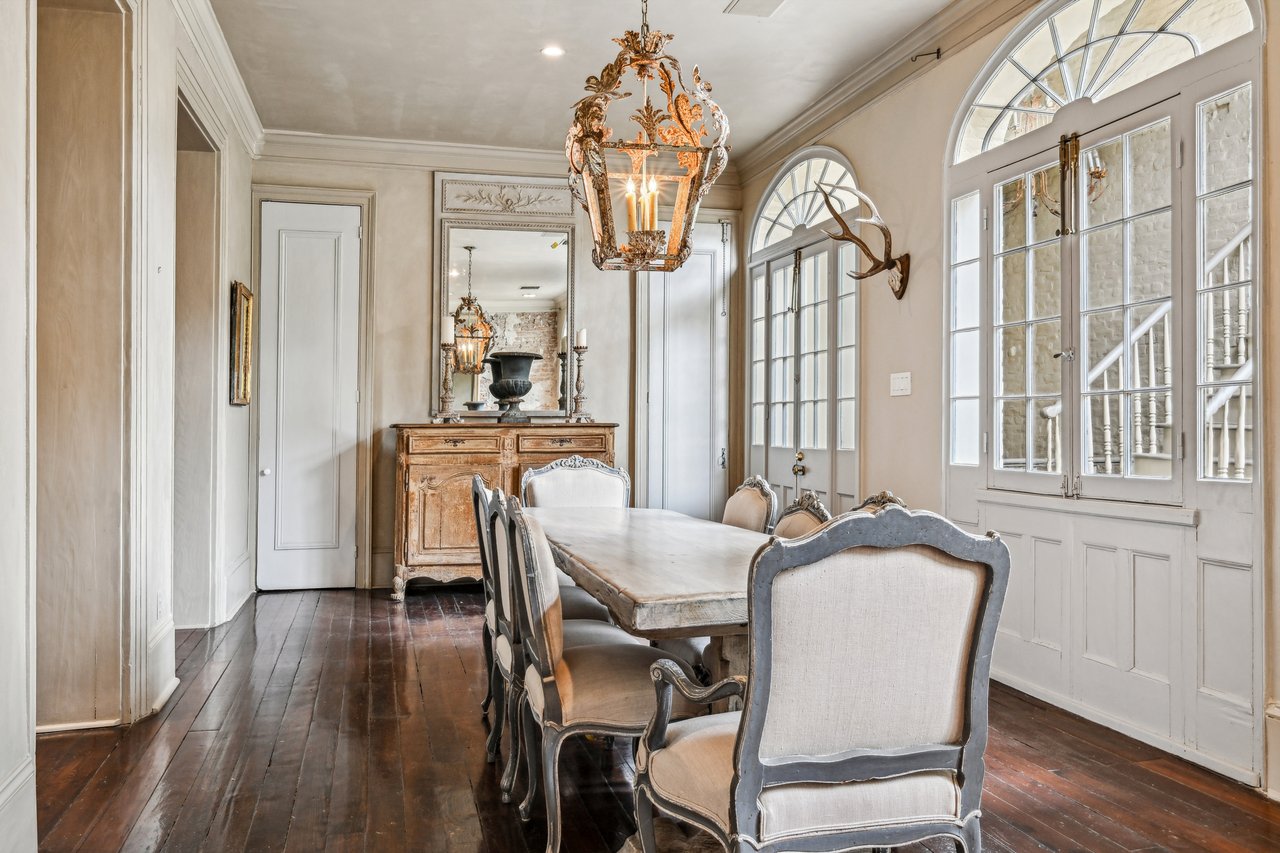
New Orleans offers a layered urban fabric that is hard to replicate. Across many neighborhoods, you will find tightly packed blocks, shotgun rows, Creole cottages, New Orleans basement houses, and other historic building forms that create a strong sense of place. In the French Quarter, Spanish colonial public architecture adds another piece of that architectural story.
For many buyers, that translates into a lifestyle centered on convenience and character. You may be drawn to shorter average commutes, a more walkable feel in certain areas, and the experience of living in a home with deep architectural roots. If history and proximity are high on your list, New Orleans often delivers both.
Why the Northshore Feels Like a Retreat
The Northshore has a different identity, and that difference is part of its appeal. Mandeville’s history includes its role as a late 19th-century and early 20th-century resort community and excursion destination from New Orleans. Historically, some owners even maintained homes on both sides of the lake.
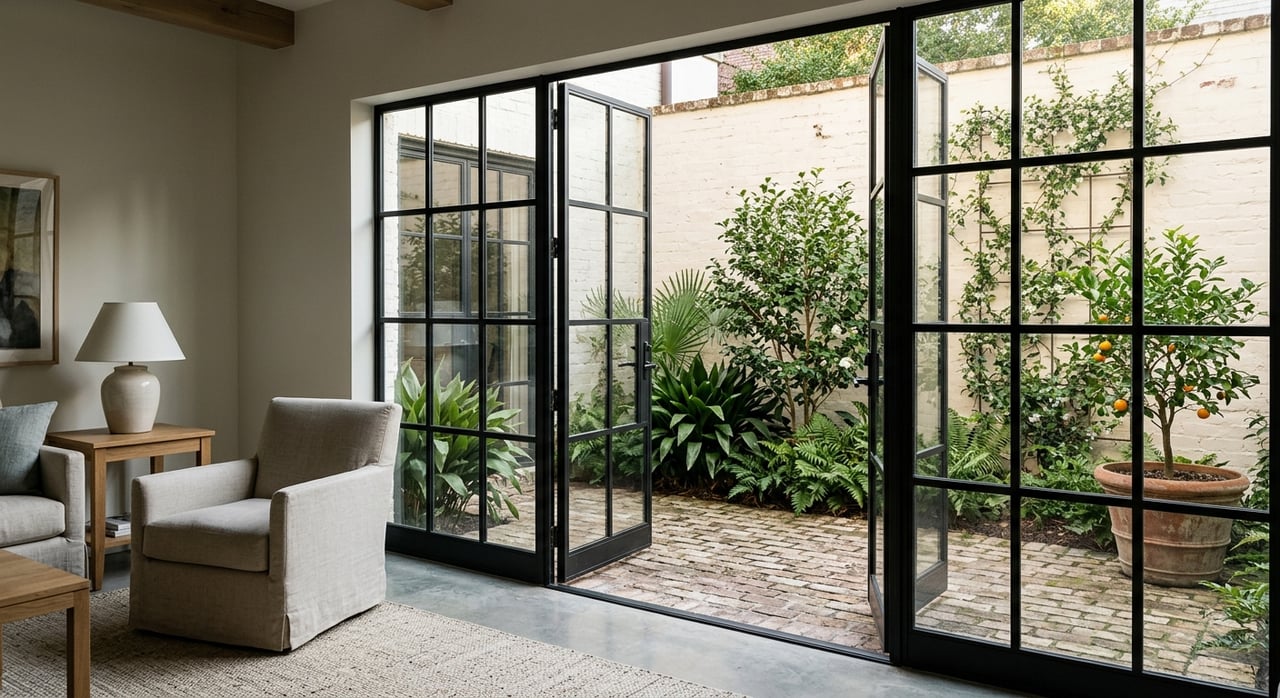
That retreat-like legacy still shapes how many buyers see the area today. On the Northshore, the draw is often the feeling of more elbow room, more porch life, and more separation between home and the pace of the workweek. If your ideal property includes broader lawns, larger lots, or a more private setting, the Northshore may align better with your goals.
Comparing Home Style and Architecture
Architecture is one of the clearest differences between these markets. In New Orleans, homes often sit close together and reflect historic urban forms that support a more connected streetscape. The result is a city environment where the architecture itself helps shape the experience of daily life.
On the Northshore, the historic fabric reads differently. In Old Mandeville, much of the building stock dates from about 1890 to 1930, with many small Eastlake shotguns, locally called North Shore houses, along with simple bungalows. Covington’s historic district adds styles such as Queen Anne, Italianate, Folk Victorian, Colonial Revival, Craftsman, and Tudor Revival.
If you are comparing the two from a design perspective, the decision often comes down to setting as much as structure. New Orleans usually offers history paired with proximity. The Northshore often offers porches, yards, and a more relaxed residential feel.
What Pricing Can Tell You
Pricing helps frame the conversation, but it does not tell the whole story. Recent market snapshots show New Orleans with a median sale price of $373,000 and an average of 107 days on market. In St. Tammany Parish, the median sale price was $285,500 and homes averaged 78 days on market.
That said, the Northshore is not a single price bucket. In March 2026, Covington’s median sale price was $299,000, while Mandeville’s was $395,000. Homes in Mandeville averaged 43 days on market, and Covington was described as a buyer’s market in March 2026.
For you as a buyer, this means broad assumptions can be misleading. New Orleans may function as a slower-moving urban market, while the Northshore can range from more accessible suburban housing stock to higher-priced Mandeville homes and larger estate-style properties. The best comparison is not city versus parish alone. It is neighborhood, property type, and lifestyle fit.
Commute, Access, and Daily Rhythm
Your home choice shapes your daily routine long after closing day. Orleans Parish has the shorter average commute, which can matter if being closer to work, cultural amenities, or established urban destinations is a top priority. Time savings adds up, especially if you prefer less windshield time during the week.
The Northshore may ask for a longer average commute, but some buyers gladly make that trade for more land, privacy, or a quieter residential setting. If you work remotely full time or only commute occasionally, the balance may tilt even more toward space and setting. This is where lifestyle goals should lead the decision.
If You Are Considering a Second Home
For some buyers, this is not strictly an either-or decision. There is real historical precedent for owning on both sides of the lake, especially given Mandeville’s past as a retreat destination for New Orleans residents. Even today, some buyers explore a primary home in one market and a second property in the other.
If that is your plan, tax rules become especially important. In Louisiana, residential property is assessed at 10% of fair market value, and millages are set locally. The statewide homestead exemption shields $7,500 of assessed value, which equals $75,000 of fair market value.
In Orleans Parish, that exemption also applies to municipal property taxes. Orleans homeowners may also qualify for certain parcel-specific programs such as the Disabled Veteran Exemption, Special Assessment Level age freeze, Disability Freeze, and First Responder Exemption. But one key rule applies statewide: you cannot lawfully claim more than one homestead exemption, so if you own two homes, you will need to choose your primary domicile for tax purposes.
Why Property Taxes Need Address-Level Review
It is tempting to compare taxes by parish and stop there, but that can lead to bad assumptions. In Louisiana, property taxes are local, and tax estimates depend on the parcel, the assessment, and the applicable millages and exemptions. That is why one home can carry a very different tax picture from another, even within the same general area.
On the Northshore in particular, St. Tammany’s assessor information makes clear that estimates, exemptions, and special assessments are parcel-specific. It also notes that the 2026 work-in-progress tax roll is not official until the public inspection period. If you are comparing New Orleans to Covington, Mandeville, or another Northshore town, it is smartest to review taxes address by address before making a final decision.
Flood Risk Matters on Both Sides
Flood risk should be part of your home search from day one, whether you are looking in New Orleans or on the Northshore. FEMA identifies its Flood Map Service Center as the official source for flood maps, and it also states that there is no true no-risk zone. That matters because buyers sometimes assume one side of Lake Pontchartrain is automatically safer than the other.
Local data reinforces the need for parcel-level review. The City of New Orleans hazard mitigation plan states that, following 2016 FEMA map revisions, about 63% of properties were in Zone A and 37% in Zone X. In St. Tammany Parish, local flood guidance states that all parish properties are in or near an area that may flood, with riverine, stormwater, coastal-surge, and backwater flooding all identified as local sources.
There is another practical point to keep in mind: standard property insurance does not cover flood damage. A separate flood policy is required. St. Tammany Parish also notes participation in FEMA’s Community Rating System, with a 15% discount on flood insurance policies.
The takeaway is simple. Before you assume a property is a better fit based on general location alone, check the specific parcel on the official flood map and review the insurance implications early in the process.
How to Decide Which Side Fits You
If you are still weighing both options, it helps to focus on the lifestyle each market supports. New Orleans may be the better match if you want historic urban character, closer-in convenience, and a home that places you near the center of your routine. The Northshore may be the better match if you want more land, a more private setting, or a home that feels like a retreat at the end of the day.
A simple way to compare is to look at your priorities in three buckets:
- Daily function: commute time, access, and how close you want to be to your regular destinations
- Property feel: lot size, privacy, yard space, and whether you want an urban block or a more detached-home setting
- Ownership costs: purchase price, parcel-specific taxes, homestead planning, and flood insurance considerations
When you view the choice through that lens, the answer often becomes clearer. The goal is not to pick the market that sounds best on paper. It is to choose the home base that supports the way you want to live.
If you are considering a historic New Orleans residence, a waterfront Northshore property, a larger estate setting, or simply want help comparing both sides of the lake with clarity, Jennifer Rice can help you weigh the details and move forward with confidence.
FAQs
What is the main lifestyle difference between New Orleans and the Northshore?
- New Orleans generally offers a denser, more access-oriented lifestyle with shorter average commutes, while the Northshore is often chosen for more space, larger lots, and a more retreat-like residential feel.
How do home styles differ between New Orleans and the Northshore?
- New Orleans is known for historic urban forms such as shotgun houses, Creole cottages, and New Orleans basement houses, while Northshore areas like Mandeville and Covington feature bungalows, North Shore houses, and a mix of early-20th-century styles.
Are homes less expensive on the Northshore than in New Orleans?
- Not always. Recent snapshots showed a lower median sale price in St. Tammany Parish overall than in New Orleans, but Northshore pricing varies by town, with Mandeville showing a higher median sale price than Covington.
What should buyers know about property taxes in New Orleans and St. Tammany Parish?
- Louisiana property taxes are local, residential property is assessed at 10% of fair market value, and exemptions and final tax amounts can vary by parcel, so buyers should compare taxes address by address.
Can you claim a homestead exemption on a New Orleans home and a Northshore home?
- No. Louisiana law does not allow a homeowner to claim more than one homestead exemption, so if you own homes in both markets, you must choose your primary domicile for that exemption.
How should buyers compare flood risk in New Orleans and the Northshore?
- Buyers should review the specific parcel using FEMA’s official flood map source and evaluate flood insurance needs early, because both New Orleans and St. Tammany Parish have meaningful flood exposure.
Is flood insurance automatically included in standard homeowners insurance in St. Tammany Parish or New Orleans?
- No. Standard property insurance does not cover flood damage, so a separate flood policy is required.