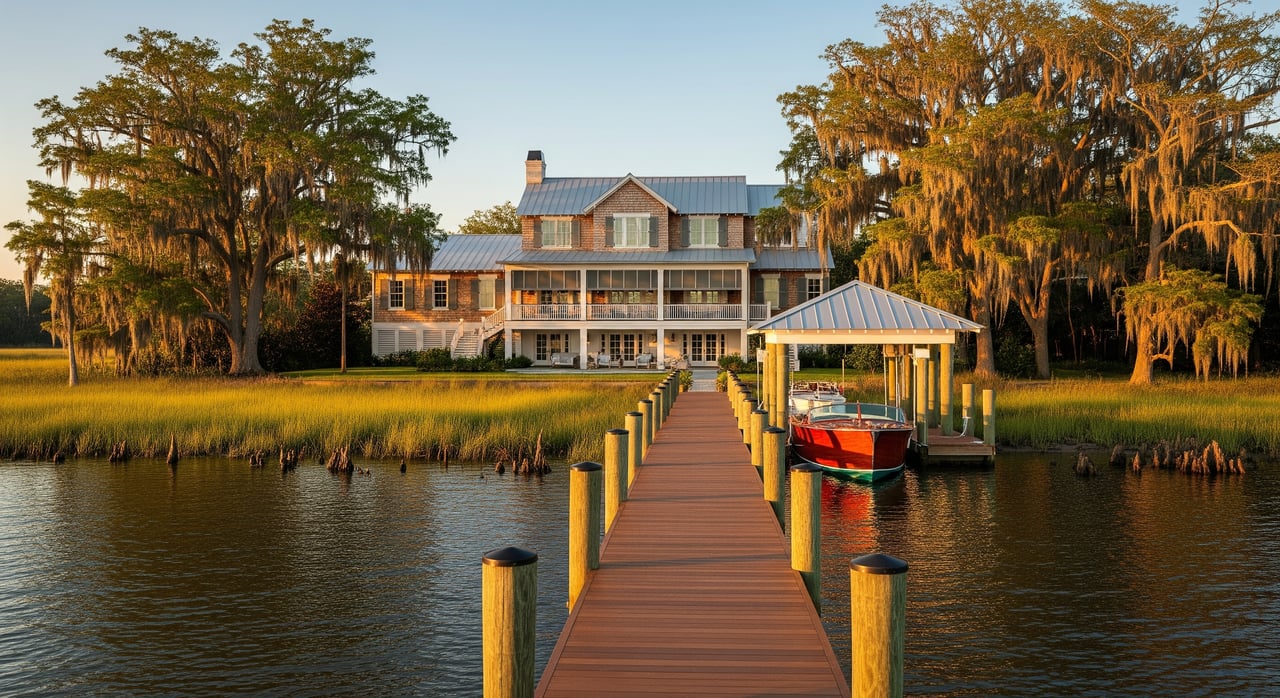
Picture this: morning light on the Tchefuncte, coffee in hand, your boat tied up a few steps from your back door. If you are considering a riverfront home in Madisonville, you already know the lifestyle is special, but the purchase can feel complex. This guide gives you clear steps to evaluate lots, docks, flood risk, permits, and boating access so you can buy with confidence. Let’s dive in.
Why the Tchefuncte stands out
Madisonville sits on the Tchefuncte River near its connection to Lake Pontchartrain, which shapes daily life on the water. The river is part of a larger estuary, so water levels respond to local river flow, lake tides, and weather. That mix creates an ever-changing backdrop for boating and fishing. You also enjoy easy access to Madisonville’s town center and the wider Northshore, with Covington and Mandeville nearby for added amenities.
River and lake dynamics to know
Because the Tchefuncte flows into a large, shallow lake, wind and weather can shift conditions quickly. Strong winds across Lake Pontchartrain can push water up or down, changing depths at the river’s mouth and within channels. You should verify channel locations, depths, and tide behavior using trusted sources like NOAA nautical charts and NOAA tides and currents data. These tools help you judge whether a property’s dock and approach will suit your boat through changing seasons.
Lot types and shoreline features
Riverfront parcels in older sections of town are often long and narrow, running from the street to the water. Newer neighborhoods may have deeper or consolidated lots. Many properties include some combination of docks or piers, bulkheads or riprap, and sometimes covered slips or boathouses. Utilities vary by location and age of development, so confirm whether a home is on municipal water and sewer or a private well and septic with the St. Tammany Parish Government.
What to inspect at the waterline
- Shoreline protection. Look for signs of bulkhead movement, rot, or erosion behind the wall.
- Dock structure. Check pilings, decking, fasteners, and electrical for age and wear.
- Vegetation and wetlands. Marsh or emergent wetlands at the edge can affect buildability and permits.
- Access and easements. Long lots may rely on shared drives or recorded easements. Confirm ingress and egress.
Ownership, access, and permits
Louisiana’s riparian rights allow reasonable water use and some ability to build out to the navigable water, but you still operate within state ownership of submerged lands and public servitudes. Before you rely on any assumption, verify what your deed includes, any recorded easements, and local setbacks. Work in navigable waters, such as docks, pilings, dredging, or shoreline stabilization, commonly requires approvals through the parish, state, and federal levels. For federal permitting questions, start with the U.S. Army Corps of Engineers regulatory guidance. For state-level coastal and cumulative impacts review, consult the Louisiana Coastal Protection and Restoration Authority. St. Tammany Parish and the Town of Madisonville may also have specific requirements for docks and moorings. You can reach the town through the Town of Madisonville.
Flood risk and insurance basics
Waterfront living comes with exposure to flooding from heavy rain, river runoff, and storm surge associated with tropical or strong frontal systems. Start early with FEMA resources to understand the property’s flood zone and elevation. Use the FEMA Flood Map Service Center to locate the Flood Insurance Rate Map and Base Flood Elevation. Ask for an existing elevation certificate or order a new one if needed. An elevation certificate can significantly influence premiums and your long-term cost of ownership. For coverage guidance and to plan ahead on budgets, review NFIP flood insurance guidance and get quotes at the start of your search.
Boat and dock planning for your vessel
Match your dock to your boat’s type, beam, and draft. A small skiff has very different needs than a 30 to 40 foot cruiser or a sailboat. Consider whether you want a fixed pier, a floating dock, or a covered slip based on water level changes and weather exposure. Because shoaling can occur near the river mouth and channels, confirm approach depths with current charts, local marinas, and towboat services. For seasonal rules, speed and no wake areas, and boat ramp information, refer to the Louisiana Department of Wildlife and Fisheries. If you plan a larger vessel or overnight mooring, also think through backup haul-out options at nearby marinas in case of a storm.
Due diligence checklist for buyers
Use this practical sequence to shorten timelines and avoid surprises.
1. Verify title and access
- Order a current title search. Look for recorded riparian or marina easements and any covenants that limit dock construction or boat size.
- Confirm whether the deed grants water access or only a view.
- Identify any public servitudes or road or utility easements that affect the waterfront.
2. Get the right surveys
- Obtain a recent boundary survey that shows the shoreline, bulkhead location, and dimensions to the waterline.
- Request a topographic or elevation survey if flood risk or build height is a concern.
3. Assess flood risk and insurance
- Pull the FEMA FIRM and identify flood zones and Base Flood Elevation using the FEMA Flood Map Service Center.
- Secure an elevation certificate and start premium quotes early for flood, wind or hurricane, and homeowners coverage.
4. Confirm permits and compliance
- Ask for permits and approvals for any existing docks, bulkheads, or boathouses.
- Determine which permits you will need for planned work through St. Tammany Parish, state coastal programs, and the U.S. Army Corps of Engineers. The Louisiana Coastal Protection and Restoration Authority can help clarify coastal use requirements.
- Check for unpermitted work or open violations.
5. Schedule inspections
- Standard home inspection with attention to elevated foundations and any flood-related repairs.
- Marine or dock inspection to evaluate pilings, decking, electrical, and mooring capacity.
- If shoreline change is visible or the site is near marsh, consider a coastal engineer for erosion risk.
- Septic inspection and capacity verification if the property is not on municipal sewer.
6. Plan navigation and dredging
- Review NOAA nautical charts and NOAA tides and currents data for channel depths and seasonal variations.
- If your vessel has a deeper draft, check approach routes for shallow flats or private moorings that may limit access at low water.
- Remember, private dredging often requires permits and can be restricted.
7. Confirm utilities and maintenance
- Verify water, sewer, electricity, and internet availability, and note any needed upgrades common along shorelines.
- Determine who maintains the shoreline and dock structures. If there is an HOA, request the maintenance plan and cost history.
Touring strategy that saves time
Before you book showings, filter listings for must-have waterfront features like dock type, bulkhead, and lot depth. Ask the listing agent for recent photos of the dock and any permits on file. Visit properties at both high and low water when possible to observe waterline, dock usability, and any shoaling at the approach. During your walk, locate survey markers, note setbacks, and look for visible easements. Also pay attention to wind direction and the home’s exposure to open fetch across the lake, which can influence wake and comfort at the dock.
Living on the Tchefuncte
Daily life centers on the water. You will find boating, fishing, crabbing, kayaking, birding, and easy waterside dining. Weekends and holidays can bring more boat traffic and wake, especially near popular launch points or close to the river mouth. If privacy or quiet is a priority, evaluate proximity to public access and marinas during your visits. For local services, events, and town updates, the Town of Madisonville and the St. Tammany Parish Government are useful starting points.
How we help you buy well
A successful riverfront purchase blends lifestyle goals with technical due diligence. You get clarity when an expert team coordinates surveys, permitting checks, marine inspections, and insurance quotes while keeping your boating plans front and center. If you want a dock that fits a specific vessel, a build plan that respects coastal rules, and a smooth closing timeline, we help you move from first showing to launch day with confidence. Ready to explore the Tchefuncte with a local guide by your side? Connect with Jennifer Rice for tailored buyer representation.
FAQs
Do Tchefuncte River homes require flood insurance?
- If the property lies in a high-risk FEMA zone, your lender will likely require flood insurance. Check the exact zone and Base Flood Elevation through the FEMA Flood Map Service Center and obtain an elevation certificate to refine quotes.
Can I build or repair a dock on my Madisonville property?
- Often yes, but docks, pilings, shoreline stabilization, and any dredging typically need permits from St. Tammany Parish, state coastal programs, and the U.S. Army Corps of Engineers. Verify existing permits and compliance before you buy.
How do tides and wind affect boating on the Tchefuncte?
- Water levels and depths can change with lake-driven tides, river flow, and wind set-up on Lake Pontchartrain. Review NOAA nautical charts and NOAA tides and currents data to plan safe approaches and dock use.
Will I need to dredge for a larger boat?
- It depends on your location and draft. Shoaling may limit access at low water, and private dredging is regulated and may be restricted. Confirm depths with charts and local marinas, and consult permitting authorities before planning any dredge work.
Who maintains the bulkhead and dock at a riverfront home?
- Maintenance responsibility varies by property and any HOA agreements. Review title documents and HOA rules, and ask for maintenance histories for bulkheads, docks, and shoreline protection.
What inspections should I order for a riverfront purchase?
- In addition to a standard home inspection, schedule a marine or dock inspection, obtain an elevation certificate, and consider a coastal engineer if you see signs of erosion. If the home is on septic, include a system inspection and capacity check.