Looking for a small place in the French Quarter sounds romantic, and often it is. But when that pied-à-terre sits inside one of New Orleans’ most protected historic districts, charm comes with a very specific set of rules, records, and shared responsibilities. If you are thinking about buying in the Quarter, this guide will help you understand how historic condo ownership works, what to review before you close, and where careful due diligence matters most. Let’s dive in.
Why French Quarter purchases feel different
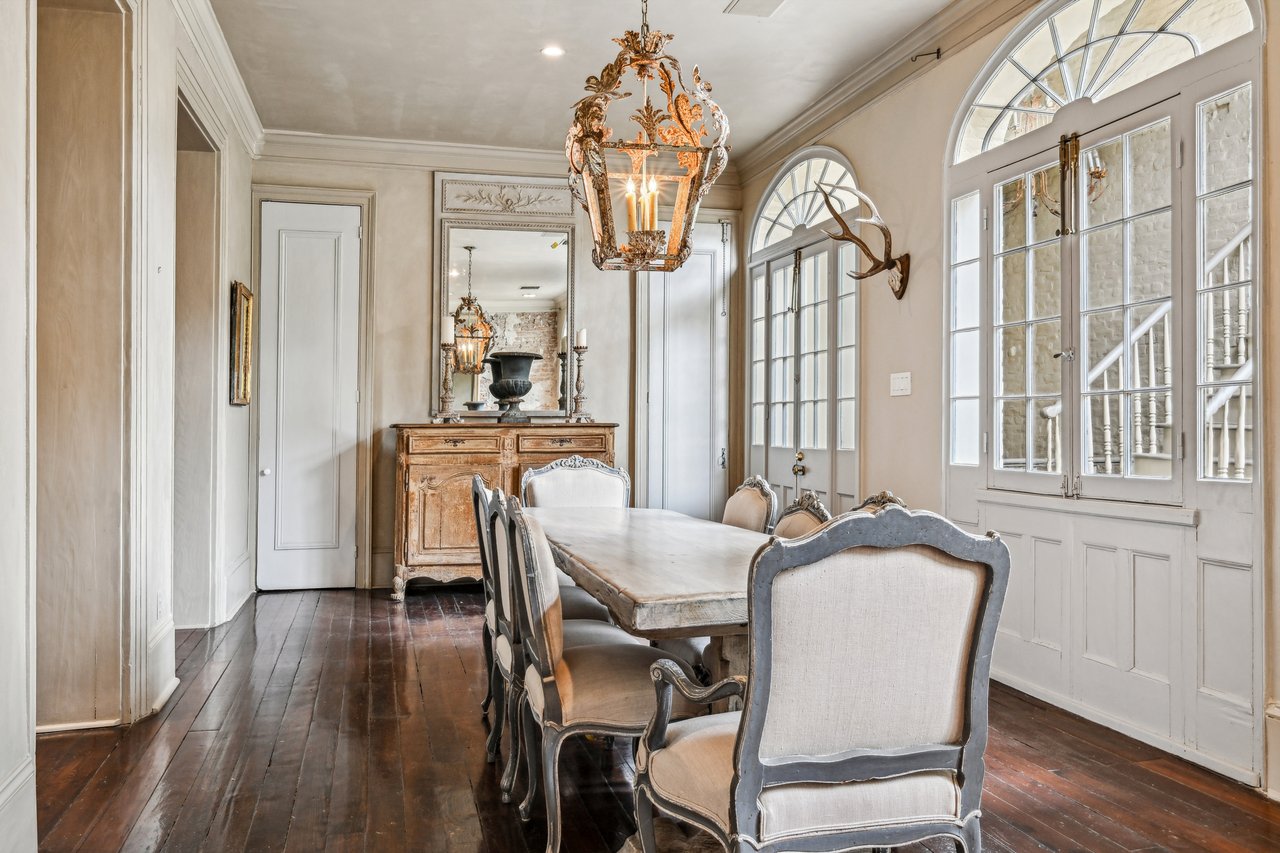
A historic pied-à-terre in the French Quarter is rarely just a simple apartment purchase. Many units are part of converted or multi-part historic buildings, and those buildings often include shared features such as courtyards, galleries, balconies, stairs, and passageways.
The French Quarter sits within the Vieux Carré Historic District. In this district, the City of New Orleans requires Vieux Carré Commission review for all exterior work, and that review is meant to keep changes compatible with the character and style of the area.
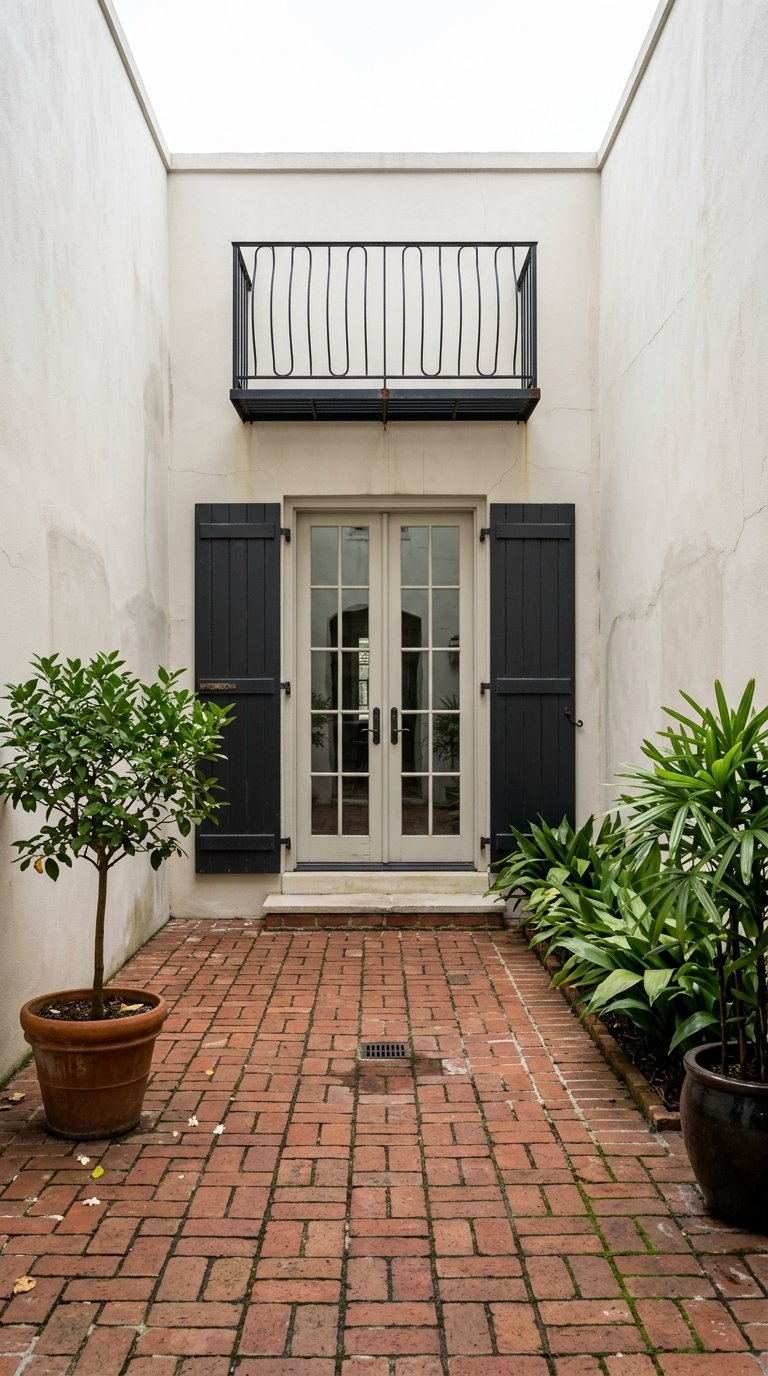
That matters because in the Quarter, “exterior” covers more than a street-facing wall. The city includes patios, courtyards, galleries, balconies, exterior stairs, passageways, carriageways, and even sidewalks on private property in the review process.
What a French Quarter pied-à-terre may look like
If you are picturing a freestanding house, you may find something different once you start touring properties. Historic units in the French Quarter are often part of center-hall buildings, Creole cottages, outbuildings, shotguns, townhouses, or other converted structures.
You will also see recurring architectural features that shape both lifestyle and upkeep. Common examples include brick or stucco construction, courtyards, upper-level living areas, galleries or balconies, raised foundations, and steep roofs.
These details are part of the appeal. They can also affect maintenance planning, insurance questions, and the way a condo association handles repairs over time.
How condo ownership works in Louisiana
In Louisiana, a condominium is a form of ownership where part of the property is individually owned and the rest is owned in common by the unit owners. In some cases, your unit may legally be defined as air space only, while shared areas and structural components are treated as common elements.
That structure is important when you buy a smaller second home. Your financial responsibility is not based only on your unit’s size or how often you use it.
Instead, costs often follow the condominium declaration and the shared ownership structure. A compact pied-à-terre can still carry a proportionate share of major building expenses tied to the roof, exterior, courtyard, and other common elements.
Why small units can still have big costs
A French Quarter pied-à-terre may feel low maintenance because of its footprint. In practice, the ongoing cost picture can be more layered, especially in a historic building with substantial shared features.
Louisiana law allows condo associations to adopt budgets and bylaws, collect assessments and reserves, hire managers and contractors, and regulate maintenance, repair, replacement, and modification of common elements. Associations may also levy reasonable fines after notice and an opportunity to be heard.
For you, that means dues and future assessments deserve close review. A small unit in a beautifully preserved building may still be tied to meaningful shared obligations, particularly when historic materials and specialized exterior work are involved.
Documents to review before you buy
For a resale condo in Louisiana, the seller must provide core condominium documents and financial disclosures. These records help you understand the building, the association, and the condition of the shared ownership structure before you commit.
Key items to review include:
- The condominium declaration
- Association documents
- Bylaws
- A certificate showing current assessments
- Approved capital expenditures
- Reserve balances
- The latest financial statements and budget
- Pending judgments or lawsuits
- Insurance coverage
- Any ground lease term
These documents can answer practical questions quickly. They can show whether reserves appear thin, whether a major project has already been approved, and whether the association is managing the property in a clear and organized way.
Questions to ask about shared features
In the French Quarter, maintenance responsibility is one of the most important parts of due diligence. Historic buildings often include features that are beautiful but expensive to maintain, and responsibility for them is not always obvious from a quick showing.
Ask specifically who is responsible for the following items:
- Roof
- Masonry or stucco
- Windows and doors
- Balconies and galleries
- Porches
- Courtyards
- Lighting
- Security cameras
- Storefront or awning components, if applicable
These are exactly the kinds of building elements that can shape your ownership costs over time. They also fall into design guideline areas that commonly matter in historic properties.
Why VCC history matters
When you buy in the French Quarter, it is wise to ask whether recent work on the unit or building received proper VCC approval. In the Quarter, all exterior work requires a permit, even when it is not visible from the street.
The city also notes that interior projects affecting structural design and integrity can require VCC review. Exterior painting and roofing are specifically part of the process.
That means renovation history is not just a design question. It is a due diligence question that can affect future planning, timelines, and ownership expectations.
Ground leases deserve extra attention
Some French Quarter purchases may involve a ground lease or leasehold structure. If that applies to the property you are considering, confirm the remaining lease term and any renewal rights.
This is not a minor detail. Louisiana resale disclosures specifically require information about ground lease terms, so it should be part of your review before moving forward.
Insurance and flood planning in the Quarter
Insurance in a historic condo building works a little differently than many buyers expect. Under Louisiana condo insurance rules, the association’s policy is generally primary for common elements, structural elements and components, and fixtures and improvements that are not owner betterments.
That is why it is important to compare the association’s master policy, deductibles, and reserves with the coverage you plan to carry for your own contents and personal upgrades. You want to understand where the association’s responsibility ends and where yours begins.
Flood planning also deserves careful attention in New Orleans. Flood risk can vary by parcel, so you should verify the exact property address, flood zone, and elevation instead of assuming every French Quarter address carries the same risk profile.
The City of New Orleans notes that flooding can happen anytime, and flood insurance premiums depend on flood zone. FEMA also notes that federally backed mortgages in high-risk areas can trigger mandatory flood insurance requirements.
A practical checklist for buyers
A French Quarter pied-à-terre can be a wonderful fit if you love architecture, walkability, and the layered character of historic New Orleans. The key is to pair that excitement with disciplined review.
As you evaluate a property, keep this checklist handy:
- Confirm whether the unit is part of a condominium regime
- Review the declaration, bylaws, budget, and financial statements
- Check current assessments, reserves, and approved capital projects
- Ask about pending lawsuits or judgments
- Review insurance coverage, deductibles, and owner policy needs
- Clarify responsibility for roof, exterior walls, windows, balconies, galleries, and courtyards
- Verify whether past exterior work received VCC approval
- Ask whether any structural interior work required VCC review
- Confirm flood zone and elevation for the exact address
- Review any ground lease term and renewal rights
Why local guidance matters here
Buying a historic pied-à-terre in the French Quarter often means navigating two systems at once. You are evaluating condominium documents and shared financial obligations while also paying attention to historic-preservation rules that can affect repairs, updates, and timelines.
That combination makes these purchases more document-heavy than a typical condo transaction. With the right guidance, though, you can move forward with much more clarity and confidence.
If you are considering a French Quarter purchase and want a thoughtful, detail-driven approach, Jennifer Rice can help you evaluate the property, the documents, and the ownership picture with care.
FAQs
What makes a French Quarter pied-à-terre different from a typical condo?
- A French Quarter pied-à-terre is often part of a historic multi-part building inside the Vieux Carré Historic District, where exterior work requires VCC review and shared building features can shape costs and maintenance.
What condo documents should you review before buying in the French Quarter?
- You should review the declaration, association documents, bylaws, assessment information, approved capital expenditures, reserve balances, financial statements, budget, insurance coverage, pending lawsuits or judgments, and any ground lease term.
What features in a historic French Quarter building may create shared expenses?
- Shared expenses may involve the roof, masonry or stucco, windows and doors, balconies, galleries, porches, courtyards, lighting, security cameras, and certain storefront or awning components.
What is the Vieux Carré Commission review process for French Quarter properties?
- The Vieux Carré Commission reviews exterior work in the district for compatibility with the character and style of the area, and this can include work on courtyards, balconies, stairs, passageways, sidewalks on private property, roofing, and exterior painting.
Why should buyers verify flood details for a French Quarter address?
- Buyers should verify the exact address, flood zone, and elevation because flood risk and flood insurance costs can vary by parcel rather than staying the same across the entire French Quarter.
How does condo insurance usually work for a historic unit in Louisiana?
- In general, the association’s policy is primary for common elements, structural elements and components, and fixtures and improvements that are not owner betterments, so buyers should compare that policy with their own planned unit coverage.